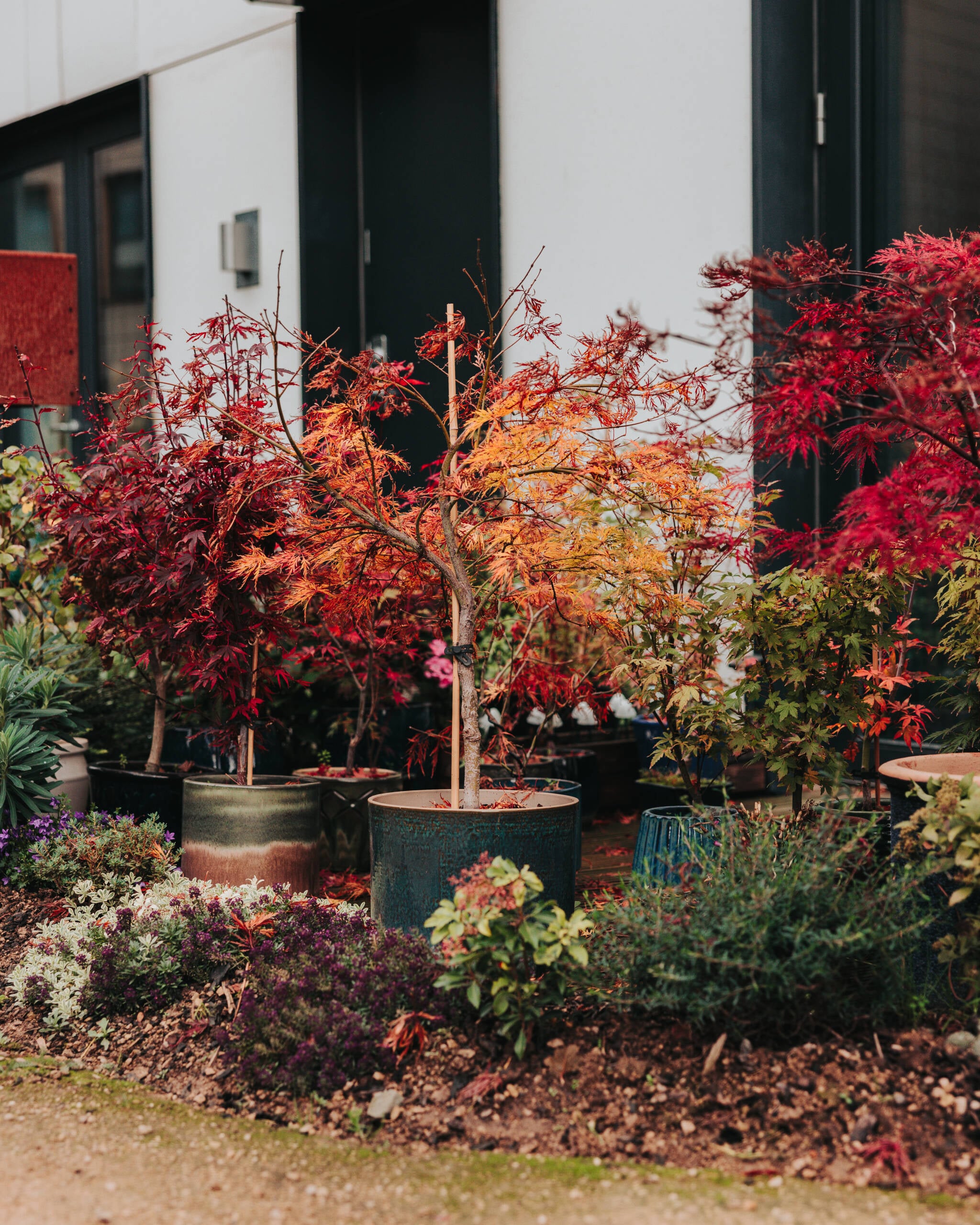
Landscape design isn’t an afterthought for Citu – it’s as considered as the buildings themselves. Good planting does more than look nice for a few weeks in October: it supports local wildlife, improves air quality, helps manage rainwater, and gives residents a reason to want to spend time outside. Autumn is when a lot of that thinking becomes visible.
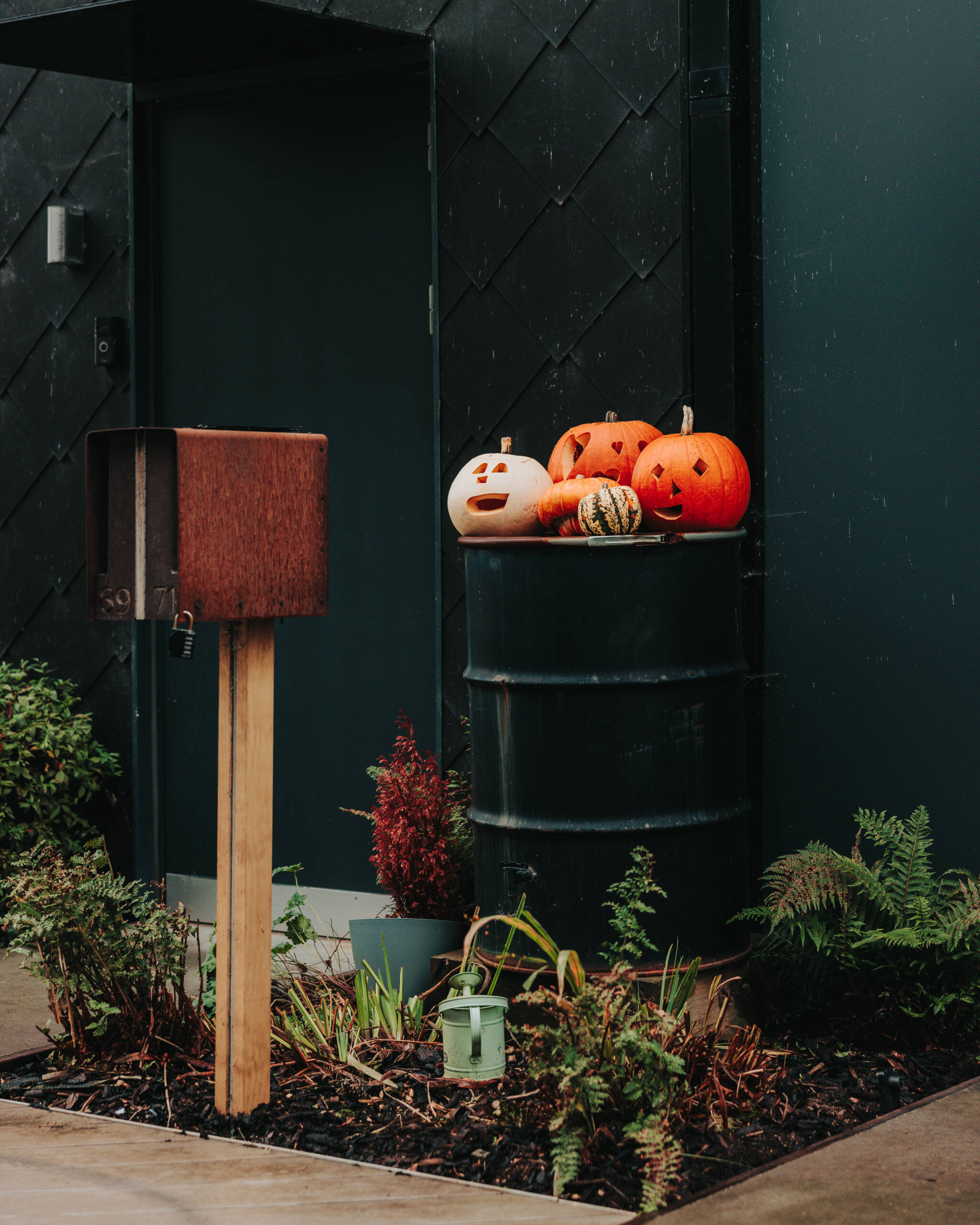
The Climate Innovation District’s landscaping is curated to be enjoyed year-round. Right now that means residents adding their own seasonal touches – carved pumpkins on doorsteps, a bit of decoration on the communal spaces, which is exactly the point of designing shared areas people feel ownership over rather than just walk past.
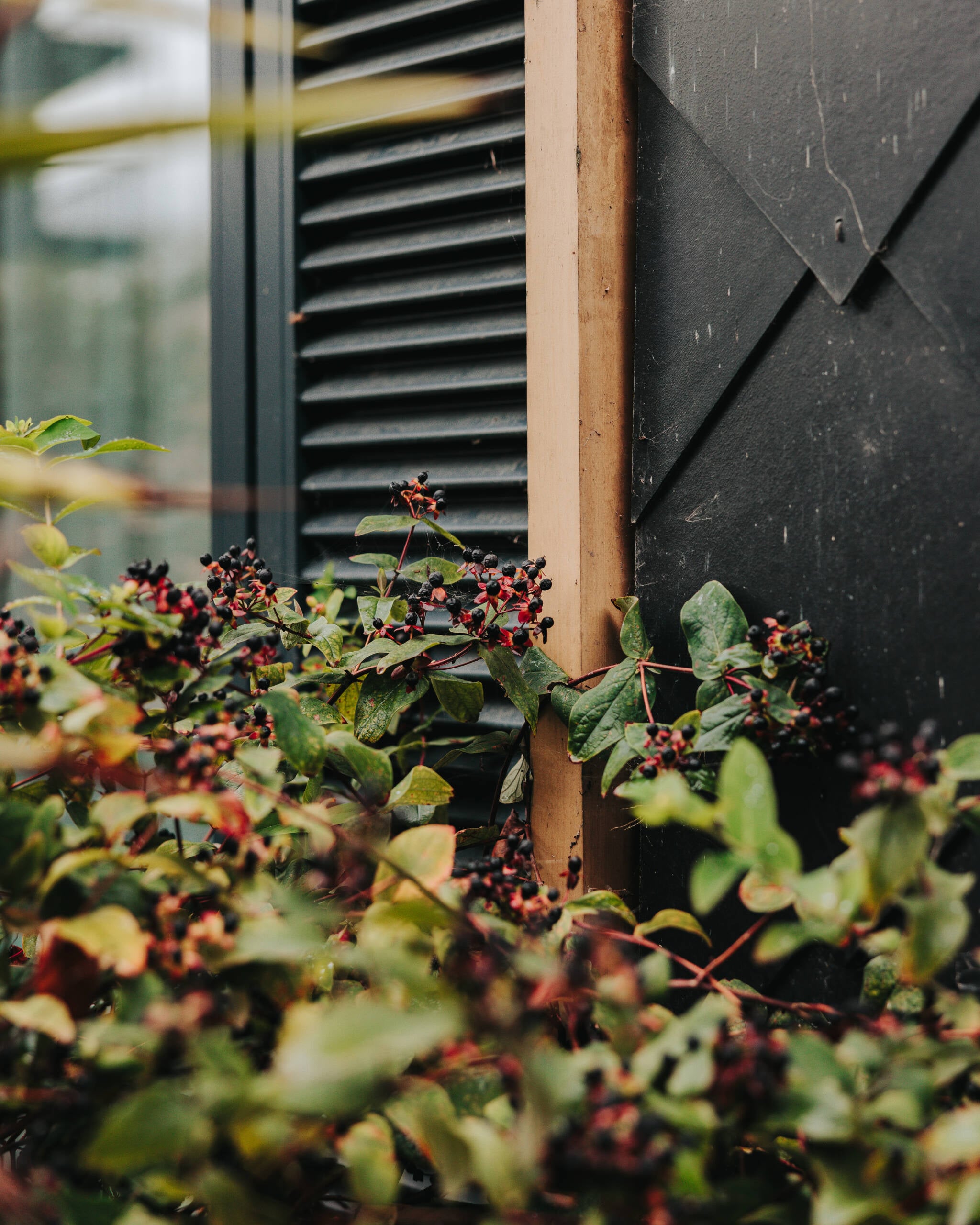
The courtyard planting at Kelham leans on hornbeam, a tree chosen as much for practicality as looks. It holds its leaves through much of winter rather than dropping them all at once, giving the space structure and shelter for longer. Katsura trees add another layer: beyond the striking colour change, they support pollinators earlier in the year and, as the leaves fall, release a natural caramel scent that’s become a small seasonal signature of the site. Choices like these aren’t random they’re about layering interest and habitat across the calendar.
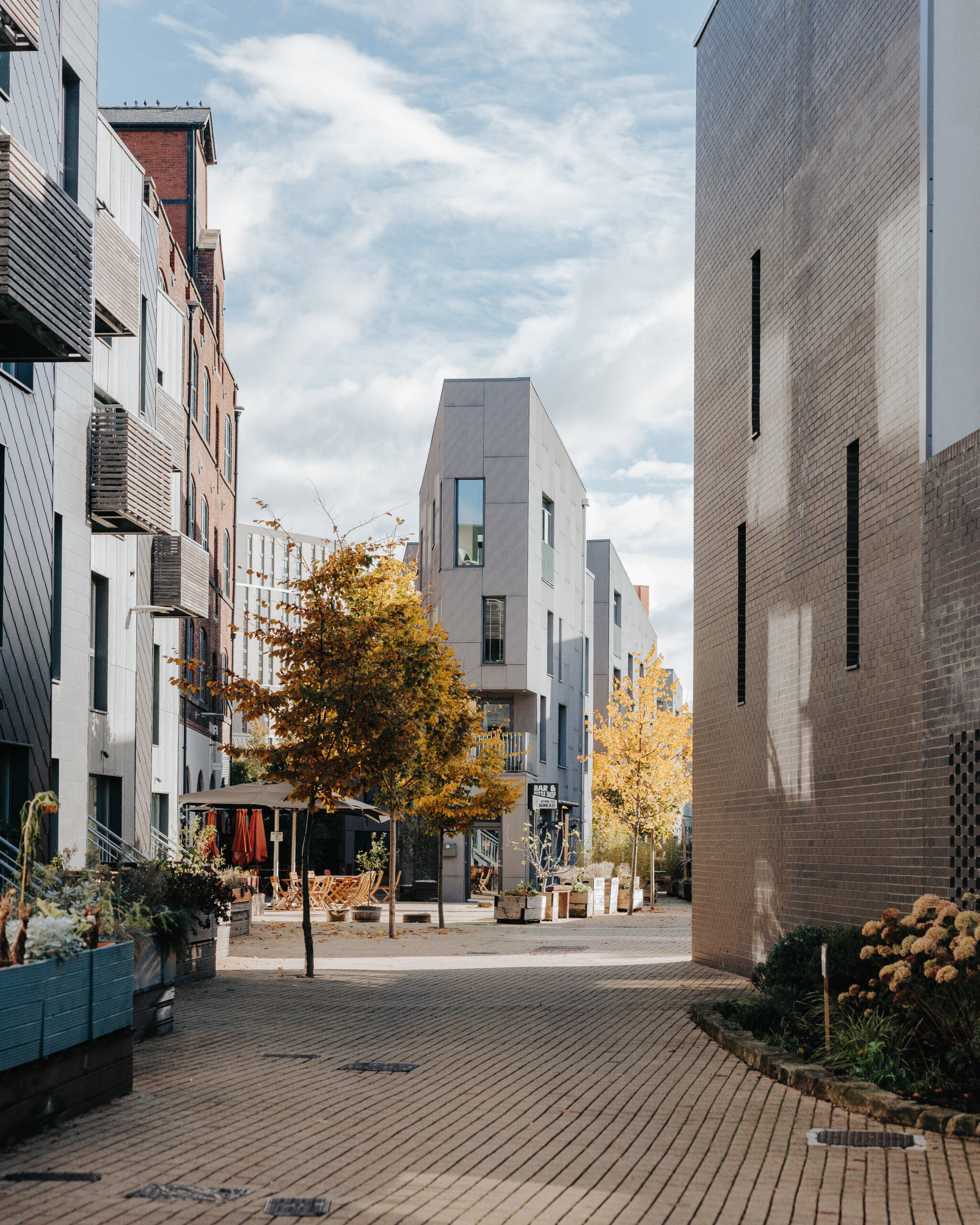
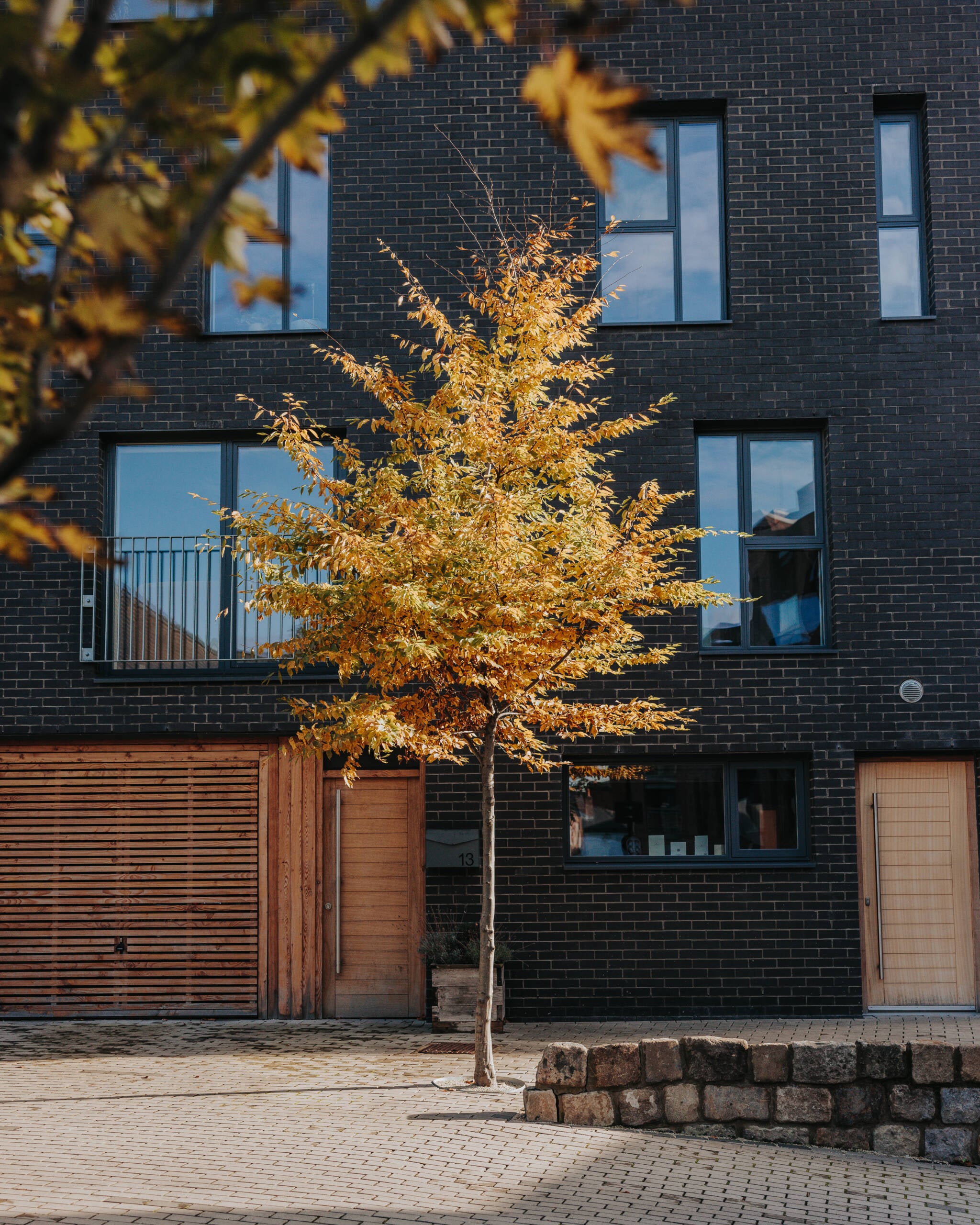
Stall’s planting is some of the most biodiverse across our places. Beech, field maple, sycamore and rowan all feature – a mix that supports a wider range of insects and birds than a single-species would, and gives a longer, more varied colour season as each turns at a slightly different time. Rowan in particular is valuable for wildlife, its berries a key food source for birds heading into winter. This residents potted Japanese maples add a more designed, ornamental note near the entrances, but the wider structure is native and working hard behind the scenes.

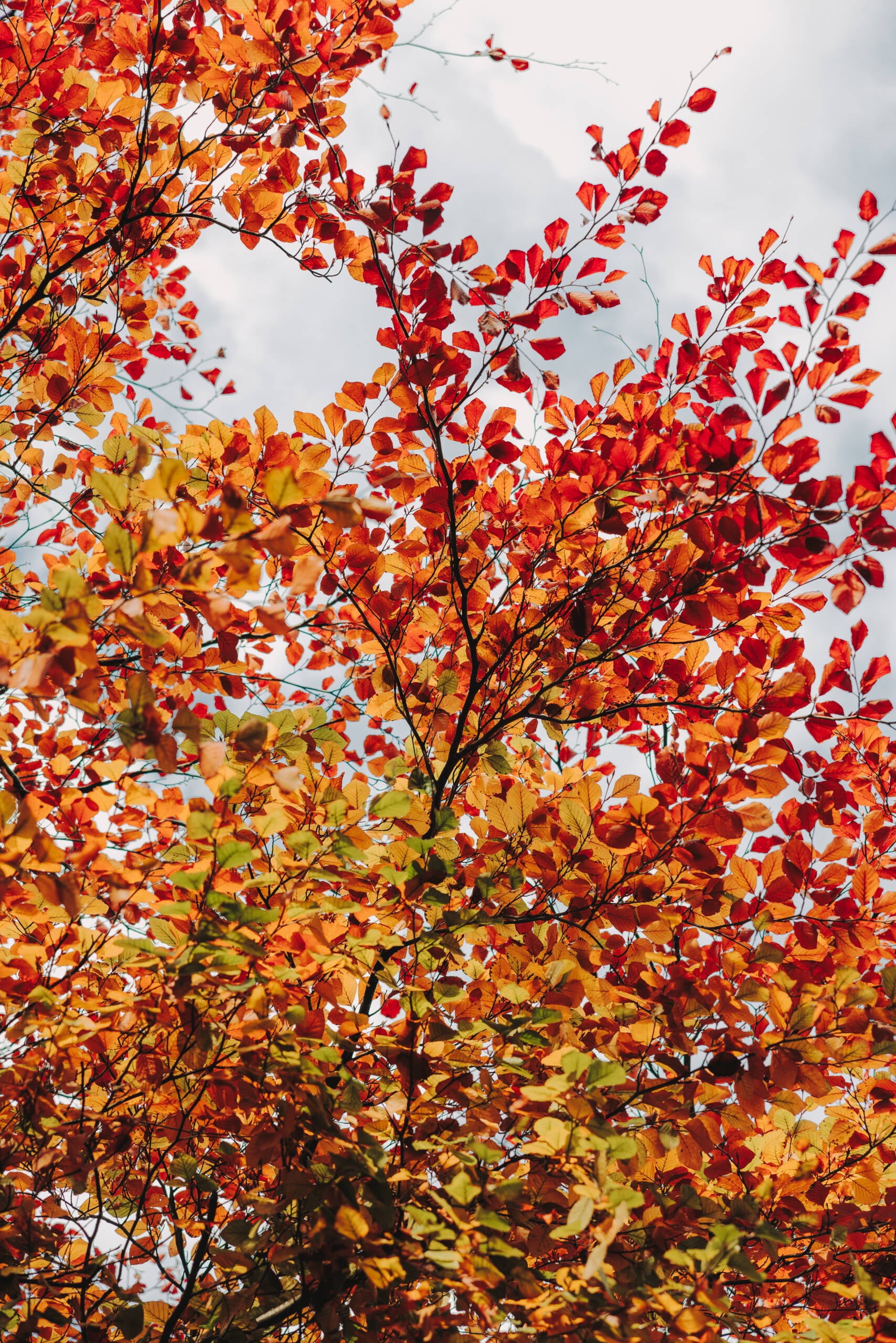
None of this happens by accident. Considered planting is part of how Citu tries to build places that support biodiversity and feel genuinely good to live in, not just when the leaves are turning, but across the whole year.